




Vietnam is famed for many things: diverse mountain landscapes, busy streets, bustling cities, food and, our favourite at Outpacker...coffee.
As the second largest coffee producer in the world behind Brazil, Vietnam has a large variety of unique drinks that are rarely found outside Vietnam. So, in this article, we will take you through some of the main Vietnamese coffee drinks you must try on your visit to Vietnam. If you’re also looking for more general advice on Vietnam, visit our dedicated Vietnam destination guide.
So, what characterises Vietnamese coffee?
Before we delve into the coffees, let's talk through what characterises typical Vietnamese coffee. There are three main things:
1. Phin brewing
Phin brewing is the traditional way for Vietnamese to brew coffee. Unlike an espresso machine, which forces water through the coffee under pressure, a phin uses gravity. Hot water drips slowly through a small metal filter sitting on the cup, and takes a few minutes. The result is a small, concentrated cup with an intensity of taste similar to espresso.
2. Robusta beans
Unlike Arabica, which makes up to 70% of the world's coffee and tastes sweet and acidic, Vietnam predominantly uses robusta, a bigger bean with a chocolatey, nutty and bitter flavour.
Caffeine is a natural insect repellent, so robusta, grown at lower altitudes where insects are common, contains around twice as much as Arabica! So, watch out: a double shot of robusta, found in many iced drinks, can pack the caffeine of four espressos back home!
3. Condensed milk
Most iced drinks are sweetened using condensed milk, a heavily sweetened additive. This means the coffees contain a lot more sugar than your regular coffee drinks and, paired with the higher caffeine, can give you a sugar rush like no other!
1. Vietnamese Iced Coffee (Cà Phê Sữa Đá)
- Served: Cold (hot version: Cà Phê Sữa Nóng)
- Made with: Phin-brewed robusta, condensed milk, ice
- Taste: Bold, sweet and refreshing
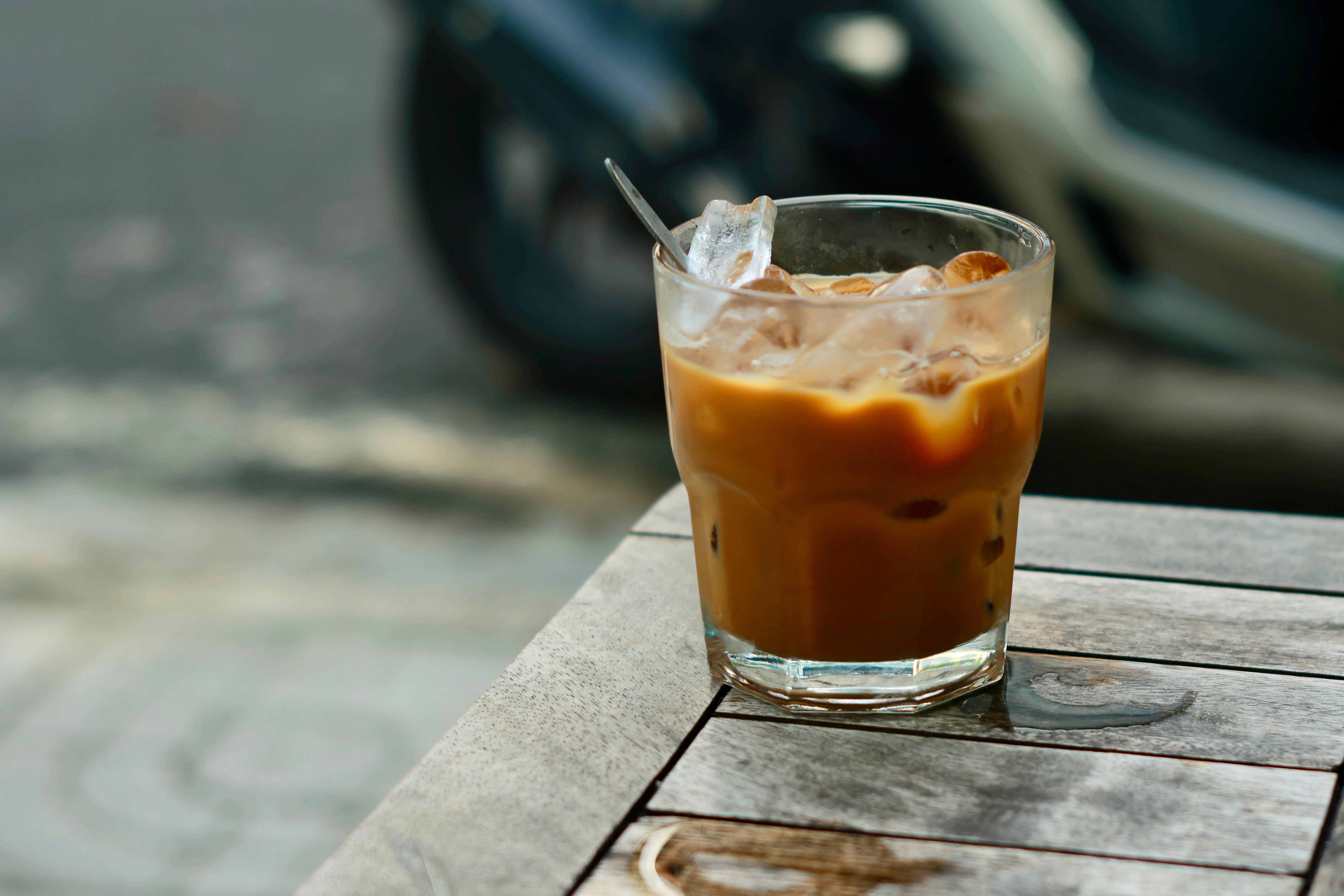
Before we get into the really extravagant drinks, let's start with one which combines the typical Vietnamese traits we just talked about.
Years after the French colonials introduced coffee to Vietnam, Cà Phê Sữa Đá was introduced after ice production and storage became mainstream. Fresh milk was scarce and expensive, so locals turned to shelf-stable condensed milk instead.
The drink is made by lining a glass with condensed milk and ice before adding the phin brewed robusta coffee. The result is a bold, sweet and refreshing drink.
As the name suggests, the drink is served cold, although you can find hot versions named Cà Phê Sữa Nóng. As with ice in much of South East Asia, be cautious in rural areas as they may use tap or unfiltered water, however most urban and good cafés use commercially made ice from filtered water, so the risk is much lower.
2. Egg Coffee (Cà Phê Trứng)
- Served: Hot (cold versions are listed in many cafés)
- Made with: Robusta, whipped raw egg yolk, condensed milk
- Try it at: Café Giang, Hanoi

Perhaps the most famous of the Vietnamese coffees, egg coffee is said to have been created in Hanoi in 1946, when Nguyen Giang swapped milk for egg yolk during a dairy shortage due to the First Indochina War (Anti-French Resistance War).
It's characterised by strong robusta coffee topped with a thick, whipped cream of raw egg yolk and condensed milk, giving an interesting contrast between the sweet foam and the bold coffee. Many people describe it as something between a coffee and a dessert.
While traditionally served hot, you will find cold egg coffee listed in many cafés across Vietnam, and especially in Hanoi. Café Giảng in Hanoi, opened by Nguyen Giang and now run by his son, Tri Hoa Nguyen, is still a famous place to try it.
While popular, hot coffee does not typically reach a safe temperature to cook the raw egg and so can carry a potential risk of salmonella contamination. The risk from any one egg is generally low, but it can be more serious for pregnant people, older adults and those with weakened immune systems, who may prefer to avoid it.
3. Salt Coffee (Cà Phê Muối)
- Served: Hot or iced
- Made with: Robusta, condensed milk, salted cream
- Try it at: Cà Phê Muối, Hue (the original)

Originating in Hue, Salt Coffee was created by Ho Thi Thanh Huong and Tran Nguyen Huu Phong at their original Ca Phe Muoi cafe in 2010.
It is created by merging bold robusta coffee with sweet condensed milk, topped with a layer of cream containing a pinch of salt, resulting in a rich, salted caramel taste without being too sweet. It is prepared either hot or iced, with the original creators saying they think the iced version is the tastiest.
While now found across Vietnam, the original Cà Phê Muối (literally translating to Salt Coffee) in Hue remains the birthplace of this drink and somewhere you can visit on your travels.
4. Coconut Coffee (Cà Phê Dừa)
- Served: Usually iced (many cafés blend it into a slushy)
- Made with: Robusta, coconut milk, milk, condensed milk
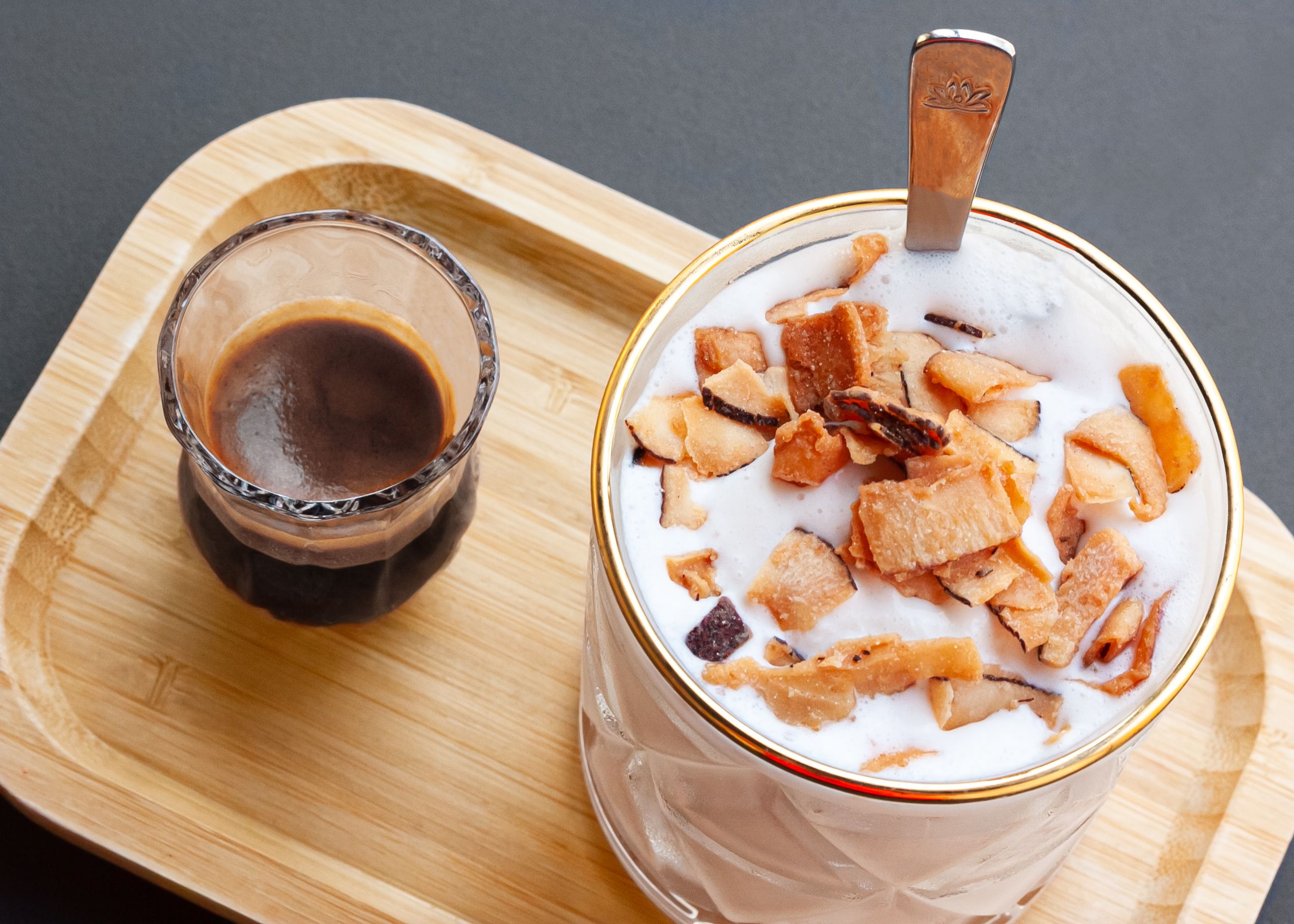
Coconut has long been woven into everyday life in Vietnam. The Mekong Delta and the central coast are well-known for their coconut trees, while coconut milk turns up in plenty of sweets and dishes, and coffee is no exception.
As a newer addition to the coffee scene, coconut coffee (Cà Phê Dừa) has only grown popular in recent years and is now found on menus across Vietnam.
It is made by mixing coconut milk and milk into condensed milk before finally pouring the robusta coffee over the top. It's usually served iced, and many cafés blend it into a slushy. The result is a balance between the bold, bitter coffee and the creamy, refreshing taste of the coconut.
Good to know
- Mind the caffeine. Robusta has around twice the caffeine of Arabica, so go easy on the iced drinks.
- Check the ice. Be cautious in rural areas, but most urban and good cafés use commercially made ice from filtered water.
- Egg coffee uses raw egg yolk. Pregnant people, older adults and those with weakened immune systems may prefer to avoid it.
Finally
Coffee is a gateway to culture in Vietnam. We would encourage you to explore many of the great coffee shops and drinks the country has to offer and immerse yourself in this part of the culture.
A great way to learn more about Vietnamese coffee is to take a class. These are frequently available in cities like Hanoi, Hoi An and Ho Chi Minh City, and you can find multiple options on GetYourGuide.
Looking for more general advice on planning your trip? Visit our dedicated Vietnam destination guide.
Feedback
We'd love your feedback on this article and any ideas for future ones. Please get in touch here. We look forward to hearing from you!
References
Sources behind the facts in this article. Links open in a new tab.