


Peru
Inca paths and Andean horizons
Follow Peru from Pacific desert and celebrated food cities into highland trails, living cultures and the gateways to Machu Picchu.
Georgiño / JustEMV / Wikimedia Commons, CC BY-SA 2.0 · Image licence
The honest overview
Get to know Peru before fixing the route.
Peru is famed for Machu Picchu and the wider Inca ruins scattered through the Andes, dramatic highland and desert landscapes, and one of South America's most celebrated food scenes, attracting trekkers, culture-focused travellers and long-haul South America overlanders alike from all corners of the world. Peru is known for being the backbone of most South America backpacker routes, thanks to Machu Picchu's pull, a well-established hostel and bus network linking the coast to the highlands, and land border crossings into Bolivia, Ecuador and Chile that keep it stitched into a wider continental trip, making it the country most South America itineraries are built around rather than a detour from one.
Part of the joy of backpacking in Peru is deciding what deserves more time. Keep space for weather changes, longer travel days and recommendations from people you meet on the road.
Card acceptance is decent in Lima, Cusco and other tourist hubs but patchy elsewhere, and ATM withdrawal fees add up fast – carry Soles in cash for smaller towns, local buses and markets, and expect a card surcharge of around 5–8% where it's accepted at all.
There's no single fixed route through Peru, and plenty of people build their own version depending on how much time they've got and where they're headed next, but a well-worn circuit has emerged and most backpackers end up following some version of it. From Lima, the classic path runs south to Huacachina, Paracas and Nazca on the coast, then up to Arequipa and the Colca Canyon, on to Puno and Lake Titicaca, and into Cusco for the Sacred Valley and Machu Picchu. From Cusco, routes split three ways: south into Bolivia via Puno (a well-travelled border crossing), east down into the Amazon via Puerto Maldonado, or back north towards Huaraz and the Cordillera Blanca before crossing into Ecuador. The VRAEM region and the stretch of the Loreto border with Colombia sit well off this circuit and rarely come up as a backpacker consideration either way.
Season by season
What each season means for your trip
Peru's weather can change sharply by region and elevation. These are planning patterns, not guarantees.
Wetter travel conditions
The Andean wet season brings regular afternoon rain to Cusco and the Sacred Valley, with highs of 18–20°C by day and trails turning muddy underfoot; the Inca Trail closes entirely each February for maintenance. The coast runs the opposite way – Lima and the south coast see warm, dry, sunny weather (24–28°C), making this the better window for Huacachina and Paracas.
Shoulder-season balance
A shoulder season in the highlands as the rains taper off and trails dry out, with daytime temperatures around 18–22°C in Cusco and noticeably fewer crowds than the peak months ahead.
Drier travel window
Peak Andean dry season – clear skies, daytime temperatures of 18–22°C in Cusco dropping close to freezing overnight, and the busiest window for Machu Picchu and the Inca Trail, so book permits well ahead. Lima and the coast turn grey and cool through this period thanks to the garúa fog, sitting around 15–19°C.
Wetter travel conditions
The Andes stay largely dry into September and October before the rains build again by November, with daytime temperatures of 18–21°C in Cusco – a good trekking window with lighter crowds than mid-year. The coast starts clearing back towards its summer warmth.
Wetter travel conditions
Hot and humid throughout, generally 24–32°C, with a wetter stretch from December to May and a comparatively drier one from June to November – the drier months make for easier wildlife spotting as animals cluster near shrinking water sources.
Check the forecast for the exact region and elevation on your route, then leave room to change outdoor plans when conditions move.
Cost of day to day travel
Build a budget around the route
On the standard highland and coastal circuit, £20–25 a day covers a dorm bed, food from markets and menú del día spots, and local transport comfortably.
On the standard highland and coastal circuit, £20–25 a day covers a dorm bed, food from markets and menú del día spots, and local transport comfortably.
Long transfers, specialist tours and headline activities can change the daily total quickly.
Card acceptance is decent in Lima, Cusco and other tourist hubs but patchy elsewhere, and ATM withdrawal fees add up fast – carry Soles in cash for smaller towns, local buses and markets, and expect a card surcharge of around 5–8% where it's accepted at all.
Average the full trip rather than forcing every day into the same number. Keep emergency funds separate from daily spending.
Key backpacker routes
Find the route that feels right for you
There is no single route you need to follow. Let your timeframe, interests and season shape the journey through Peru.
Start with the natural route Core journey
There's no single fixed route through Peru, and plenty of people build their own version depending on how much time they've got and where they're headed next, but a well-worn circuit has emerged and most backpackers end up following some version of it. From Lima, the classic path runs south to Huacachina, Paracas and Nazca on the coast, then up to Arequipa and the Colca Canyon, on to Puno and Lake Titicaca, and into Cusco for the Sacred Valley and Machu Picchu.
Add the region that earns your time Build depth
From Cusco, routes split three ways: south into Bolivia via Puno (a well-travelled border crossing), east down into the Amazon via Puerto Maldonado, or back north towards Huaraz and the Cordillera Blanca before crossing into Ecuador. The VRAEM region and the stretch of the Loreto border with Colombia sit well off this circuit and rarely come up as a backpacker consideration either way.
Main destinations and attractions
Where to spend your days
Pick a connected group and leave room for hostel friendships and changing plans. Peru rewards depth more than a checklist of stops.
 Lima. Photo: Paul A Bischoff / flickr, BY 2.0.
Lima
Most trips start and end here, and the Miraflores and Barranco neighbourhoods are where backpackers base themselves for the city's clifftop parks, street art and a food scene regularly ranked among the world's best.
 Huacachina and the South Coast. Photo: europeanspaceagency / flickr, BY-SA 2.0.
Huacachina and the South Coast
A true desert oasis outside Ica, Huacachina draws people in for sandboarding and dune-buggy rides at sunset. Nearby Paracas offers boat trips out to the Islas Ballestas for wildlife (a budget stand-in for the Galápagos), and Nazca is the base for flights over the Nazca Lines – pricier than most days on the road, but the only way to see the shapes at all.
 Arequipa and Colca Canyon. Photo: Ahron de Leeuw / flickr, BY 2.0.
Arequipa and Colca Canyon
Arequipa's white volcanic-stone centre (the "Ciudad Blanca") is one of Peru's most underrated cities, with a laid-back pace and strong food scene of its own.
 Puno and Lake Titicaca. Photo: Emmanuel Dyan / flickr, BY 2.0.
Puno and Lake Titicaca
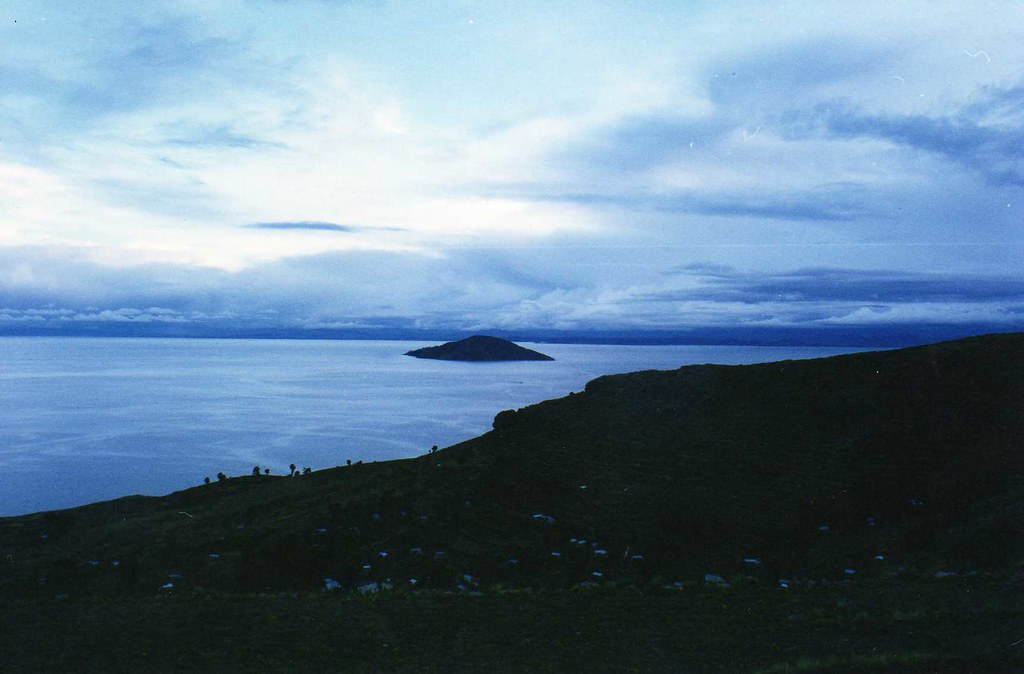
Puno itself is fairly plain, but it's the jumping-off point for boat trips to the Uros floating reed islands and the more traditional Taquile and Amantaní islands, where homestays are common.
 Cusco and the Sacred Valley. Photo: mckaysavage / flickr, BY 2.0.
Cusco and the Sacred Valley
The historic Inca capital and the busiest backpacker hub in the country, with a compact old town of cobbled streets, ruins and a lively nightlife scene once you've acclimatised.
 Machu Picchu and the Inca Trail. Photo: Oisin Mulvihill / flickr, BY 2.0.
Machu Picchu and the Inca Trail
The main event for most visitors, and it earns the hype, but permits for the classic four-day Inca Trail sell out months ahead in peak season, so book early or fall back on the Salkantay trek or a direct train instead.
To get a feel for Lima, Cusco or Arequipa, a 'free walking tour' via Guruwalk is a solid low-cost way in, paid on a tip basis. Alternatively, many hostels run their own walking tours as part of their activities list. Our Outpacker chatbot is available to help you plan and build out your itinerary to make the most of your trip.
Peru covers a lot of ground, from desert coastline to 6,000m peaks to Amazon rainforest, so here's a regional breakdown of the essentials:
Getting around
Compare time, comfort and cost
Compare journey time as well as price when moving through Peru.
Peru doesn't have a single neutral booking aggregator the way Southeast Asia has 12Go
routes generally need booking directly with individual bus, train or flight operators, so build in a bit more research time than you might elsewhere.
Taxi/Rideshare
inDriver and Uber both operate in Lima, Cusco and Arequipa and are the more reliable option over hailing a taxi on the street, where negotiating the fare upfront is essential if you do.
Bus
Long-distance overnight buses (Cruz del Sur and Oltursa are the two most established operators for backpacker-standard "semi-cama" or "cama" seating) cover the major routes cheaply and save a hostel night, though mountain roads mean journeys run long and can be delayed by landslides or protests in the wet season.
Train
PeruRail and IncaRail run the only routes to Machu Picchu via Aguas Calientes, and neither is cheap – book well ahead in peak season, as seats sell out.
Download offline maps, keep key booking details available without data and avoid placing an international departure immediately after a fragile overland transfer.
Signal is patchy through the Andes and largely absent in the Amazon, so download offline maps before you head into either, and an eSIM or local SIM covers you well in the cities.
Culture and events
Events worth knowing about
Dates can shift, so verify the current programme before building a trip around an event in Peru.
A religious and cultural festival built around elaborate costumed dances and brass bands filling Puno's streets for close to two weeks, one of the largest of its kind in South America.
A religious festival marking Easter week, with candlelit processions, flower carpets laid across the streets and all-night vigils – Ayacucho's version is considered the most elaborate in the country.
A religious festival reviving the Inca sun-worship ceremony, staged at Sacsayhuamán just outside Cusco with costumed performers, music and crowds that rival Machu Picchu itself for the day.
Peru's independence day, marked nationwide with parades, fireworks and flag-waving, and a near-total shutdown of transport and services on the days themselves – plan around it rather than through it if you're trying to move between cities.
Confirm the official programme, accommodation pressure and transport changes before committing non-refundable plans.
Peruvian food
Discover the flavours that make Peru memorable
Peruvian food regularly tops lists of the best cuisine in South America, and the range on offer – coastal seafood, Andean staples, Amazonian ingredients – reflects the country's geography as much as its history.
-
 Cevicheraw fish cured in lime juice with chilli and onion, the national dish and best eaten for lunch when it's freshest.Photo: Héctor de Pereda / flickr, BY-NC 2.0
 -
 Lomo Saltadostir-fried beef, onions, tomatoes and fries, a Chinese-Peruvian fusion dish that shows up everywhere.Photo: ShashiBellamkonda / flickr, BY 2.0
 -
 Causa Rellenaa cold, layered mashed potato dish usually filled with chicken or tuna, common as a starter.Photo: Nicola since 1972 / flickr, BY 2.0
 -
 Anticuchosgrilled beef-heart skewers, a classic street food snack that tastes far better than it sounds.Photo: Nicola since 1972 / flickr, BY 2.0
 -
 Ají de Gallinashredded chicken in a creamy, mildly spicy yellow chilli sauce, served over rice.Photo: Doug & Robyn / flickr, BY-NC-SA 2.0
 -
 Rocoto Rellenoa spicy stuffed pepper dish from Arequipa, worth trying if you can handle the heat.Photo: wallygrom / flickr, BY-SA 2.0
 -
 Cuyguinea pig, a real Andean delicacy rather than a novelty stunt for tourists, though it's an acquired taste for most visitors.Photo: leo.prie.to / flickr, BY-NC-ND 2.0
 -
 Pisco Sourthe national cocktail, made with pisco brandy, lime, egg white and bitters.Photo: David Berkowitz / flickr, BY 2.0
Visible turnover is a useful guide. Explain allergies carefully and carry a translated note when an ingredient could cause a serious reaction.
Mercado Central-style food markets in Lima, Cusco and Arequipa are the most efficient way to sample a wide spread in one sitting, usually at a fraction of restaurant prices.
Hostels
Choose the atmosphere, not just the bed
Peru's backpacker hostel scene is strong in the main hubs, with a mix of party-focused and quieter chilled-out options.
Black Llama Hostel Cusco
Cusco, PeruProperty image from Hostelworld's official HOSCAR record.View photos and details →Viajero Cusco Hostel
Cusco, PeruProperty image from Hostelworld's official HOSCAR record.View photos and details →Beraja Family Hostel
Lima, PeruProperty image from Hostelworld's official HOSCAR record.View photos and details →Samay Wasi Youth Hostels
Cusco, PeruProperty image from Hostelworld's official HOSCAR record.View photos and details →Arequipay Backpackers Downtown
Arequipa, PeruProperty image from Hostelworld's official HOSCAR record.View photos and details →Econunay
Arequipa, PeruProperty image from Hostelworld's official HOSCAR record.View photos and details →What you need to pack
Pack for the route, not every possibility
The gear you need depends on your route and the time of year, so run your dates and cities through our trip planner for a kit list built around exactly where you're headed.
Climate and clothing
Altitude and cold nights are the main challenge here rather than heat – Cusco and Puno regularly drop close to freezing overnight even when the day was warm and sunny, so a proper warm mid-layer and a decent shell jacket for the wind are essential, not optional extras.
- Altitude sickness tablets or coca leaves/tea – widely used and sold locally in Cusco and Puno to ease the first couple of days at altitude.
- Earplugs and an eye mask – for overnight buses and thin-walled hostel dorms alike.
- Run all of this through the trip planner to build your full kit based on your specific route and dates.
Rain and terrain
Choose footwear and weather protection for the terrain and season on your route.
- A headtorch – essential for early starts on the Inca Trail, Salkantay or Colca Canyon, most of which begin well before sunrise.
- Padlocks – for hostel lockers and securing your bag on long-distance buses.
- One more thing worth flagging: don't try to power through the altitude in Cusco or Puno on arrival day – give yourself at least a full day to acclimatise before any serious activity, ideally more if you're heading straight into a multi-day trek.
Hostels and travel days
Hostel and local laundrette services are widely available and cheap in the main hubs, so you can pack lighter than the layering list above might suggest.
- A dry bag – for Amazon river trips, rainy-season hikes and anywhere your pack risks a soaking.
- A basic first aid kit – plasters, rehydration sachets, imodium and something for altitude-related headaches.
Activities and health
Add specialist equipment only for booked activities and current health guidance.
- A universal travel adapter and a power bank – Peru runs on Type A/B/C sockets at 220V, and signal-chasing on long bus rides drains phones fast.
- A reusable water bottle with a filter – tap water isn't safe to drink almost anywhere in Peru, and this cuts down on buying plastic bottles daily.
Language
A few local phrases go a long way
Spanish is the official language and the one you'll need everywhere, though Quechua is still widely spoken across the Andean highlands – Cusco, the Sacred Valley and the Puno region in particular – and a few words go a long way with locals there.
Spanish
| English | Say it in Spanish | Pronunciation |
|---|---|---|
| Hello | Hola | oh-lah |
| Goodbye | Adiós | ah-dee-ohs |
| Yes / No | Sí (see) / No | noh |
| How much? | ¿Cuánto cuesta? | kwan-toh kwes-tah |
| How are you? | ¿Cómo estás? | koh-moh es-tahs |
| Please | Por favor | por fah-vor |
| Do you speak English? | ¿Hablas inglés? | ah-blahs een-glehs |
| Help, please | Ayuda, por favor | ah-yoo-dah por fah-vor |
| Where are you from? | ¿De dónde eres? | deh don-deh eh-rehs |
| What is your name? / My name is... | ¿Cómo te llamas? / Me llamo... | koh-moh teh yah-mahs / meh yah-moh |
| Thank you | Gracias | grah-syahs |
Quechua
| English | Say it in Quechua | Pronunciation |
|---|---|---|
| Hello | Napaykullayki | nah-pie-koo-yai-kee |
| Goodbye | Tupananchiskama | too-pah-nan-chees-kah-mah |
| Yes / No | Arí (ah-ree) / Mana | mah-nah |
| How much? | Hayk'a? | high-kah |
| How are you? | Imaynalla kashanki? | ee-my-nah-yah kah-shan-kee |
| Please | Ama hina kaspa | ah-mah hee-nah kahs-pah |
| Do you speak English? | Ingles simita rimankichu? | een-glehs see-mee-tah ree-mahn-kee-choo |
| Help, please | Yanapaway, ama hina kaspa | yah-nah-pah-why ah-mah hee-nah kahs-pah |
| Where are you from? | Maymantan kanki? | my-mahn-tahn kahn-kee |
| What is your name? / My name is... | Imataq sutiyki? / Sutiy... | ee-mah-tahk soo-tee-kee / soo-teey |
| Thank you | Sulpayki | sool-pie-kee |
Most people in tourist-facing roles across the Andes speak Spanish, so Quechua isn't essential – but a greeting or thank-you in it is well received outside the main tourist strip.
Visa requirements
Check the rule for your passport
Entry rules depend on nationality, journey and length of stay. Confirm the current rule before booking, then check it again shortly before departure.
Check your exact requirements
Use Sherpa to review entry requirements for your passport and journey. Also confirm passport validity, permitted stay, proof of onward travel and any current arrival-form requirements.
Vaccinations
Make the advice fit your route
Vaccination and health advice depends on your route, duration, medical history and activities.
Review current CDC guidance
Read the current CDC Peru traveller guidance, then discuss personal recommendations with a qualified clinician.
Arrange appropriate travel insurance and keep policy details available offline. Consider the practical risks created by climate, altitude, insects, animals, water activities and road travel on your specific route.
Safety and common scams
Standard caution, specific habits
Peru is a well-travelled, well-established backpacker destination, and the vast majority of trips through the standard circuit pass without incident.
Fake police scams
Individuals posing as plainclothes police stop tourists, claim to be checking for counterfeit currency or drugs, and pressure them into handing over cash or a passport. Real Peruvian police won't ask to inspect your wallet on the street – ask for ID, insist on going to a police station, or simply walk into the nearest shop or hotel.
Bag slashing and pickpocketing
Common in crowded markets and on public transport in Lima and Cusco. Keep bags zipped and worn to the front in busy areas, and avoid flashing phones or cameras unnecessarily.
Taxi overcharging
Street-hailed taxis in Lima and Cusco don't use meters, so agree a fare before getting in, or use inDriver/Uber where available to avoid the haggle entirely.
Fake or unlicensed tour agents
Particularly around Cusco's main square, offering suspiciously cheap Inca Trail or Machu Picchu packages. Book treks through officially licensed operators only, and be wary of anyone selling permits that should be near-impossible to get last-minute in peak season.
Isolated trekking routes
There have been occasional reports of robbery against solo trekkers on quieter trails and around parts of Lake Titicaca's shoreline. Stick to well-used routes, walk in groups where you can, and check current local advice before heading somewhere remote alone.
None of this should put you off – just keep the usual city-travel instincts switched on and you'll blend in with the huge number of backpackers who pass through without any trouble.
Worth knowing separately: the FCDO advises against all but essential travel to the VRAEM region (the Apurímac, Ene and Mantaro river valleys) and a strip of the Loreto border with Colombia – both well outside the standard backpacker route, so this shouldn't affect a typical Peru itinerary. Political protests do periodically disrupt transport and access to Cusco and Machu Picchu with little notice, so build some flexibility into your plans around that stretch of the trip.
Sources and feedback
Help us keep this guide useful
Travel information changes. Verify current entry, health, safety and transport guidance before booking or travelling.
If you spot anything that could be improved, corrected or updated, please use our contact page or email hello@outpacker.co.uk.
If any information is outdated or incorrect, Outpacker assumes no liability.