


Belize
Reef, rainforest and rhythm
Move between Caribbean cayes, living Maya history and inland adventure in one of Central America's most compact journeys.
The honest overview
Get to know Belize before fixing the route.
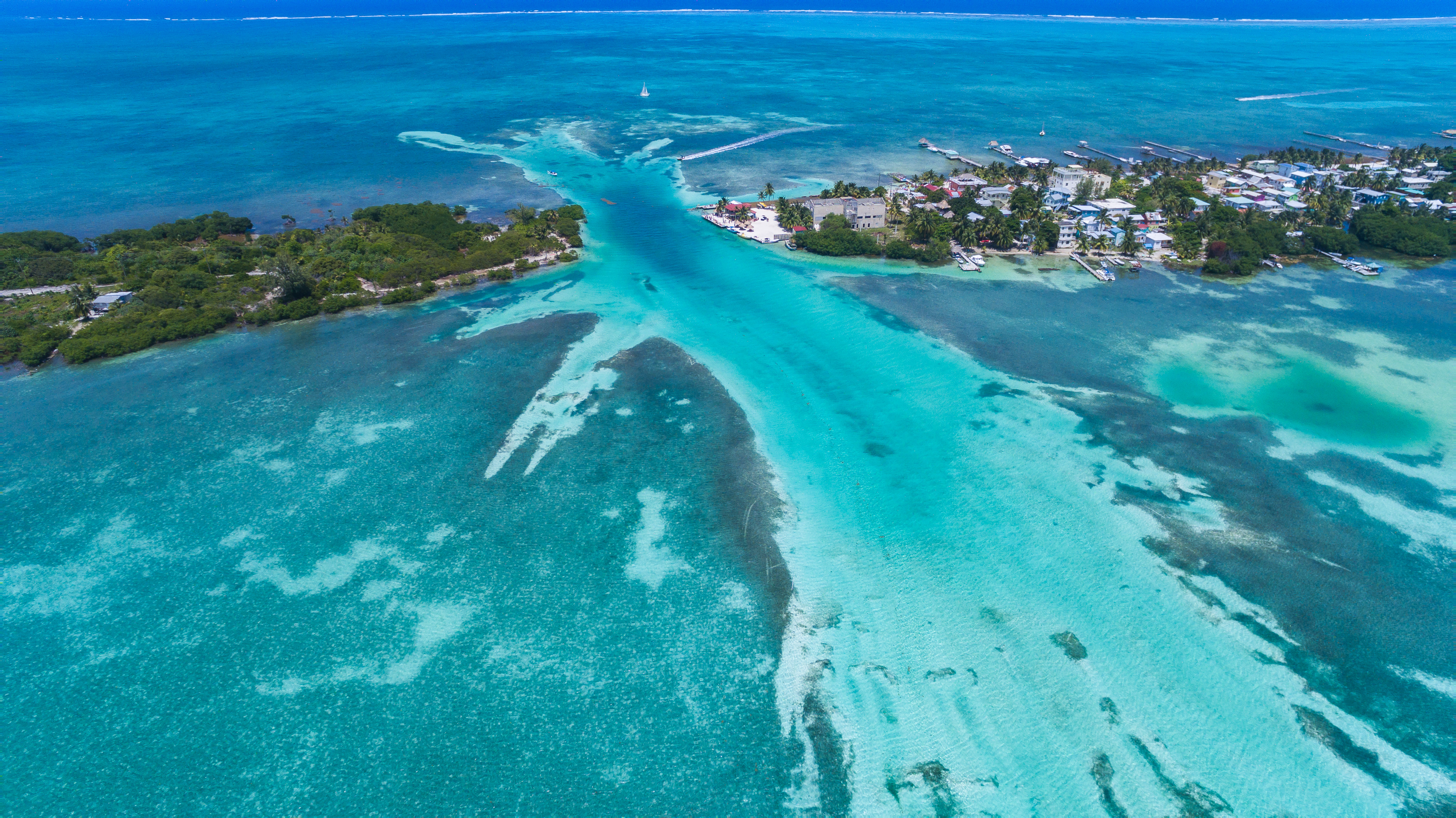
Known as the Jewel, Belize is famed for the Belize Barrier Reef, Maya ruins buried in dense jungle and a Creole, Garifuna and Mestizo culture found nowhere else in Central America, attracting divers, first-time backpackers and wildlife-watchers alike from across the region. Belize is known for being the easiest entry point into Central American backpacking, thanks to English being the official language, a small enough size to cross in a day and a well-worn route linking the cayes, the jungle interior and the Guatemalan border, making it a relaxed warm-up before the rest of the region gets more demanding.
Part of the joy of backpacking in Belize is deciding what deserves more time. Keep space for weather changes, longer travel days and recommendations from people you meet on the road.
Card is accepted in most tourist-facing businesses in towns and on the cayes, but carry BZD cash for local buses, markets and anywhere off the main circuit – US dollars are also widely accepted at a rough 2:1 rate, though you'll get a better deal paying in Belize dollars.
There's no single fixed route through Belize, and most backpackers build their plan around whoever they've teamed up with in a hostel that week or their wider Central American route. That said, the country is small enough that a loose circuit forms naturally: most people fly or bus in via Belize City, head inland to San Ignacio and the Cayo District for ruins and caving, then work back out to the coast for Caye Caulker or Placencia before crossing into Guatemala via Benque Viejo to reach Tikal, or continuing into Mexico's Yucatán to the north. Because Belize sits between two much bigger backpacker circuits, plenty of travellers treat it as a short, English-speaking breather rather than a standalone destination.
Season by season
What each season means for your trip
Belize's weather can change sharply by region and elevation. These are planning patterns, not guarantees.
Drier travel window
Cool and dry with temperatures of 22–28°C, the mildest stretch of the year and noticeably cooler inland after dark, especially up in the Mountain Pine Ridge.
Wetter travel conditions
The driest, sunniest months, with temperatures climbing from 24°C to 31°C and very little rain. This is peak season on the cayes and the best window for reef visibility.
Wetter travel conditions
Hot and still largely dry, with temperatures of 26–33°C. The first storms of the wet season tend to arrive by the end of the month.
Wetter travel conditions
Warm, humid and wet with temperatures of 26–31°C. Rain typically falls in predictable morning or overnight bursts rather than all day.
Wetter travel conditions
A short break in the rains known locally as the "little dry," with temperatures of 26–32°C, before the wettest and stormiest stretch of the year sets back in.
Wetter travel conditions
The wettest, highest-risk months for tropical storms and hurricanes, with temperatures of 25–30°C. Southern districts like Toledo see considerably more rain than the north year-round.
Shoulder-season balance
Rain starts easing and hurricane risk drops off, with temperatures of 23–29°C – a good value shoulder month before the December dry season crowds arrive.
Check the forecast for the exact region and elevation on your route, then leave room to change outdoor plans when conditions move.
Cost of day to day travel
Build a budget around the route
Belize isn't a cheap Central American stop. £25–30 a day covers a hostel dorm, local food and inland transport if you're sticking mostly to the mainland.
Belize isn't a cheap Central American stop. £25–30 a day covers a hostel dorm, local food and inland transport if you're sticking mostly to the mainland.
Long transfers, specialist tours and headline activities can change the daily total quickly.
Card is accepted in most tourist-facing businesses in towns and on the cayes, but carry BZD cash for local buses, markets and anywhere off the main circuit – US dollars are also widely accepted at a rough 2:1 rate, though you'll get a better deal paying in Belize dollars.
Average the full trip rather than forcing every day into the same number. Keep emergency funds separate from daily spending.
Key backpacker routes
Find the route that feels right for you
There is no single route you need to follow. Let your timeframe, interests and season shape the journey through Belize.
Start with the natural route Core journey
There's no single fixed route through Belize, and most backpackers build their plan around whoever they've teamed up with in a hostel that week or their wider Central American route.
Add the region that earns your time Build depth
That said, the country is small enough that a loose circuit forms naturally: most people fly or bus in via Belize City, head inland to San Ignacio and the Cayo District for ruins and caving, then work back out to the coast for Caye Caulker or Placencia before crossing into Guatemala via Benque Viejo to reach Tikal, or continuing into Mexico's Yucatán to the north.
Keep the order flexible Adapt as you travel
Because Belize sits between two much bigger backpacker circuits, plenty of travellers treat it as a short, English-speaking breather rather than a standalone destination.
Main destinations and attractions
Where to spend your days
Pick a connected group and leave room for hostel friendships and changing plans. Belize rewards depth more than a checklist of stops.
 Caye Caulker. Photo: jennifer.stahn / flickr, BY-NC 2.0.
Caye Caulker
The laid-back alternative to San Pedro, with a "go slow" motto that locals hold to. The Split is the main swimming and sunset-drinking spot, and cheap snorkel and dive trips to the Belize Barrier Reef and the Great Blue Hole leave from here daily.
 San Pedro, Ambergris Caye. Photo: Serge Melki / flickr, BY 2.0.
San Pedro, Ambergris Caye
Belize's biggest and most developed island, with more restaurants, bars and a wider range of accommodation than Caye Caulker.
 San Ignacio and the Cayo District. Photo: archer10 (Dennis) / flickr, BY-SA 2.0.
San Ignacio and the Cayo District
The main inland hub, known for caving, ruins and river tubing rather than beaches. Actun Tunichil Muknal (ATM Cave) is the big draw – a wade-and-swim tour through a cave containing real Maya skeletal remains – alongside the Cahal Pech ruins right in town and the Mountain Pine Ridge waterfalls a short drive out.
 Caracol. Photo: archer10 (Dennis) / flickr, BY-SA 2.0.
Caracol
Belize's largest Maya site, deep in the jungle near the Guatemalan border and only reachable by guided tour or 4x4 given the state of the access road.
 Placencia. Photo: jennifer.stahn / flickr, BY-NC 2.0.
Placencia
A slower, more laid-back beach town than the cayes, popular with people wanting less island-hopping infrastructure and more of a fishing-village feel.
 Hopkins. Photo: jennifer.stahn / flickr, BY-NC 2.0.
Hopkins
A small Garifuna village on the coast known for drumming, seafood and a distinctly different cultural feel from the rest of the country's beach towns – worth the detour if you want more than a beach.
Belize packs a lot into a small country, and most of it is reachable without much planning: To get a feel for San Ignacio or Caye Caulker, look for a tip-based walking tour through your hostel rather than booking a fixed-price city tour – it's a more honest way to get local context. Our Outpacker chatbot is available to help you plan and build out your itinerary to make the most of your trip.
Getting around
Compare time, comfort and cost
Belize is small enough that most journeys are short, but road quality outside the main highways drops off fast, and travel times can run longer than the distance suggests.
Bus
Local and express buses run between the main towns and are the cheapest way to get around – San Ignacio, Belize City, Dangriga and Placencia are all connected.
Water Taxi
San Pedro Belize Express and Ocean Ferry Belize run frequent boats from Belize City to Caye Caulker and San Pedro – the standard way to reach the islands, and generally reliable outside of rough weather.
Domestic Flights
Tropic Air and Maya Island Air connect Belize City with San Pedro, Placencia, Dangriga and Punta Gorda – worth it if you're short on time, since the domestic flight network covers ground buses would take hours to cover.
Golf Cart / Bike
The default transport on Caye Caulker and San Pedro, where cars are limited or banned outright – rental is straightforward and cheap for a day or two.
Download offline maps, keep key booking details available without data and avoid placing an international departure immediately after a fragile overland transfer.
Culture and events
Events worth knowing about
Belize's calendar is smaller than some of its neighbours, but a few dates are worth building a trip around.
A national holiday commemorating a British benefactor whose trust fund still supports the country – expect boat races in Belize City and a generally festive, low-key public holiday feel rather than a huge spectacle.
A cultural festival marking the arrival of the Garifuna people in Belize, centred on Dangriga and Hopkins with drumming, traditional dress, reenactments and street parties running into the night.
A run of patriotic and cultural festivals marking St George's Caye Day and Independence Day, with parades, carnival-style costumes and street parties across the country, most visibly in Belize City and Belmopan.
Confirm the official programme, accommodation pressure and transport changes before committing non-refundable plans.
Belizean food
Discover the flavours that make Belize memorable
Belize's food culture blends Creole, Mestizo, Garifuna and Maya influences, and it's worth trying a bit of everything given how compact the country is.
-
 Rice and Beansthe Belizean staple, usually cooked in coconut milk and served with stewed chicken.Photo: Bernt Rostad / flickr, BY 2.0
 -
 Garnachessmall fried tortillas topped with beans, cheese and cabbage, sold everywhere as a snack.Photo: Mangrove Mike / flickr, BY 2.0
 -
 Huduta Garifuna dish of mashed plantain served with fish cooked in coconut broth, best found in Hopkins or Dangriga.Photo: satanoid / flickr, BY 2.0
 -
 Conch Frittersdeep-fried conch, a coastal staple especially on the cayes.Photo: virtualwayfarer / flickr, BY-NC 2.0
 -
 Fry Jacksfried dough served at breakfast with refried beans, cheese or honey.Photo: katedubya / flickr, BY-ND 2.0
 -
 Panadesfried corn pockets filled with fish or beans, a classic street snack.Photo: I am Mike's photos / flickr, BY-NC-ND 2.0
 -
 Belizean Cevichelime-cured seafood, usually conch or fish, served with crackers.Photo: Makoto Lin / Office of the President (中華民國總統府) / wikimedia, BY 2.0
 -
 Marie Sharp's habanero saucenot a dish exactly, but it goes on everything and is the closest thing Belize has to a national condiment.Photo: Viv Lynch / flickr, BY-NC-ND 2.0
Visible turnover is a useful guide. Explain allergies carefully and carry a translated note when an ingredient could cause a serious reaction.
Hostels
Choose the atmosphere, not just the bed
Hostel choice in Belize comes down to whether you want island downtime or inland activity access – check for aircon, since fans alone can be rough in the wet season, and confirm tour pickup is included if that's the main draw of where you're staying.
The Funky Dodo
Hopkins, BelizeProperty image from Hostelworld's official HOSCAR record.View photos and details →The Old House Hostel
San Ignacio, BelizeProperty image from Hostelworld's official HOSCAR record.View photos and details →Sandbar Beachfront Hostel & Restaurant
San Pedro, BelizeProperty image from Hostelworld's official HOSCAR record.View photos and details →Bella's Backpackers
San Ignacio, BelizeProperty image from Hostelworld's official HOSCAR record.View photos and details →What you need to pack
Pack for the route, not every possibility
The gear you need depends on the time of year and wider countries you plan to visit, so check out our trip planner for anything specific to your dates and countries – it'll build you a kit list based on exactly where and when you're going.
Climate and clothing
The main challenge in Belize is heat and humidity combined with heavy rain if you're travelling in the wet season, so pack clothes that dry fast and don't hold onto smell.
- A dry bag – essential for boat transfers between the mainland and the cayes, and for cave tours like ATM where you're wading through water with your gear.
- A padlock – for hostel lockers, which are common but not always included with a bed.
- One more to keep in mind: reef tours often require you to bring your own snorkel gear or pay extra to rent it, so check what's included before you book.
Rain and terrain
Cheap synthetic sports gear does the job for most people and dries overnight.
- Reef-safe sunscreen – regular sunscreen is actively restricted in parts of Belize's marine reserves because of coral damage, so buy reef-safe before you arrive rather than scrambling for it on Caye Caulker.
- A basic first aid kit – plasters, rehydration sachets and something for an upset stomach.
Hostels and travel days
Hostels and local laundrettes both offer cheap, quick turnarounds, so you can pack light either way and wash as you go.
- DEET mosquito spray – there's no malaria risk in Belize since the WHO declared it malaria-free in 2023, but dengue and Zika are both present, so bite avoidance still matters.
- Water shoes – useful for rocky cayes, river tubing and the wade sections of cave tours.
Activities and health
If you're travelling June to November, pack for the wet season properly rather than hoping it holds off – a proper poncho does more than an umbrella once the wind picks up.
- A universal travel adapter – Belize runs on Type A/B sockets at 110V, the same as the US.
- Run all of this through the trip planner to build your full kit based on your specific route and dates.
Language
A few Belizean Kriol phrases go a long way
Belize is the only country in Central America with English as its official language, so it's the default here and needs no real justification – locals also speak Belizean Kriol day to day, along with Spanish, Garifuna and Maya languages depending on the region.
| English | Say it in Belizean Kriol | Pronunciation |
|---|---|---|
| Hello | Gud maanin / Gud aafnoon | good morning / good afternoon |
| Goodbye | Ah di go now | I am going now |
| Yes / No | Yes / No | yes / no |
| How much? | Da how much? | dah how much |
| How are you? | Weh di go aan? | weh dee go ahn |
| Please | Plees | please |
| Do you speak English? | Yu taak Inglish? | you talk English |
| Help, please | Plees help mi | please help me |
| Where are you from? | Weh paat yu kom from? | where are you from |
| Thank you | Tenki | ten-kee |
| Use the phrases respectfully: Local usage varies by region. A respectful attempt is usually appreciated, and a translation app is useful for complex questions. | ||
Visa requirements
Check the rule for your passport
Entry rules depend on nationality, journey and length of stay. Confirm the current rule before booking, then check it again shortly before departure.
Check your exact requirements
Use Sherpa to review entry requirements for your passport and journey. Also confirm passport validity, permitted stay, proof of onward travel and any current arrival-form requirements.
Vaccinations
Make the advice fit your route
Vaccination and health advice depends on your route, duration, medical history and activities.
Review current CDC guidance
Read the current CDC Belize traveller guidance, then discuss personal recommendations with a qualified clinician.
Arrange appropriate travel insurance and keep policy details available offline. Consider the practical risks created by climate, altitude, insects, animals, water activities and road travel on your specific route.
Safety and common scams
Standard caution, specific habits
Belize is safe for the vast majority of backpackers sticking to the standard route – the cayes, Cayo District and southern beach towns see very little of the crime that makes headlines.
Overpriced tours from unlicensed operators
Belize requires tour guides to be licensed, but unlicensed operators still approach tourists directly, especially around Belize City and the ferry terminals. Book through your hostel or a licensed operator listed with the Belize Tourism Board instead.
Taxi overcharging
Belizean taxis don't use meters, so agree a price before you get in, especially from the airport or ferry terminals where first-time visitors get quoted well above the local rate.
Petty theft on the cayes
Caye Caulker and San Pedro are relaxed, but bag snatching and opportunistic theft from beaches and unlocked rooms do happen. Use hostel lockers and don't leave valuables unattended on the sand.
Overcrowded ATM Cave tours from budget operators
some cheaper operators run oversized groups through Actun Tunichil Muknal, which increases the risk of damage to the site (photography is already banned after a tourist dropped a camera on a skull) and gives you a worse experience. Pay slightly more for a smaller-group licensed guide if you can.
None of this should put you off Belize – stick to the well-travelled route, use common sense in Belize City, and the trip runs about as smoothly as anywhere else in the region.
Sources and feedback
Help us keep this guide useful
Travel information changes. Verify current entry, health, safety and transport guidance before booking or travelling.
If you spot anything that could be improved, corrected or updated, please use our contact page or email team@outpacker.co.uk.
If any information is outdated or incorrect, Outpacker assumes no liability.